
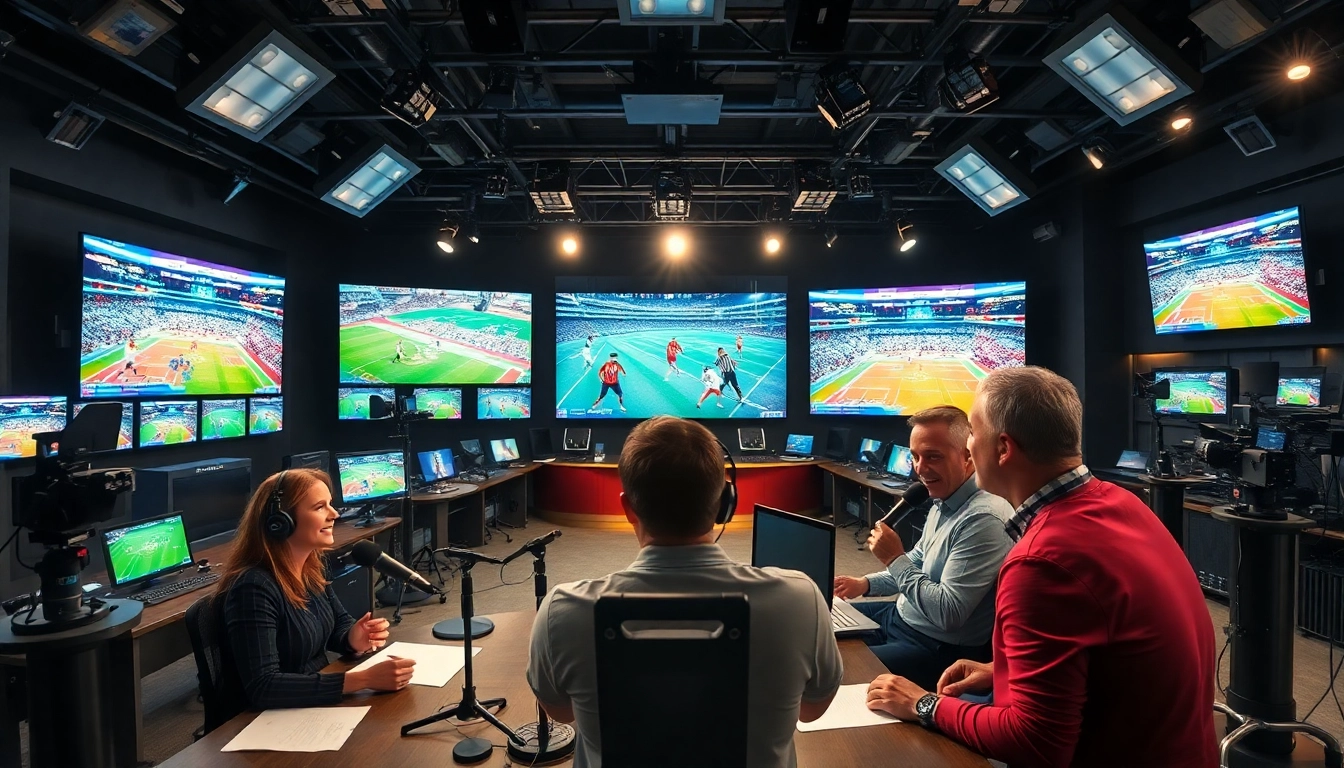
Understanding the Fundamentals of Sports Broadcasting
Sports broadcasting is an exciting sector that blends entertainment, information, and a deep appreciation of various athletic activities. This dynamic industry serves both sports enthusiasts and casual viewers alike, delivering content through numerous platforms. As an integral part of the global sports experience, Sports Broadcasting is continuously evolving, adapting to technological advancements and shifts in consumer preferences.
What is Sports Broadcasting?
Sports broadcasting involves the transmission of live sporting events and related content to an audience, using a combination of audio and visual technologies. The essence of sports broadcasting is to engage fans, providing them access to their favorite teams, players, and competitions in real time. This form of media can encompass various formats, including television, radio, and internet streaming, allowing for a flexible approach to consume sports content. The goal of sports broadcasting is to enhance the viewing experience, innovate content delivery, and foster a community of enthusiastic viewers.
The Evolution of Sports Broadcasting
The journey of sports broadcasting has seen significant milestones from its inception to the modern-day streaming era. Early sports broadcasts were simplistic, often limited to radio commentaries and newspaper recaps. The advent of television revolutionized this experience, allowing fans to witness games live from home. Over the decades, technology advanced further, integrating high-definition visuals, enhanced sound, and interactive elements. Today, the incorporation of digital platforms and mobile applications has made sports broadcasting more accessible and customizable, further engaging viewers in unprecedented ways.
Key Players in Sports Broadcasting
The landscape of sports broadcasting is populated by a variety of key players, including broadcasters, sports leagues, advertisers, and technology providers. Broadcasters, such as networks and streaming services, play a crucial role in the distribution of content. Meanwhile, sports leagues and governing bodies negotiate broadcasting rights, ensuring their events reach a wide audience. Moreover, advertisers utilize these broadcasts to promote products, leveraging the vast viewership to enhance marketing efforts. Finally, technology providers play a vital role by offering the infrastructure and tools necessary for high-quality broadcasts, including advanced cameras, editing software, and streaming capabilities.
Essential Techniques for Sports Broadcasting
Effective Communication Skills
Effective communication is at the core of successful sports broadcasting. Broadcasters must articulate information clearly and concisely, conveying the excitement of the game while ensuring audiences grasp essential details about the event. This includes the proper use of tone, pacing, and language tailored to the target demographic. Furthermore, engaging storytelling can elevate broadcast narratives, connecting viewers emotionally with the sport and its athletes. Practice in vocal exercises, feedback sessions, and continuous training can significantly enhance a broadcaster's ability to communicate effectively.
Engagement Strategies for Viewers
Viewer engagement is crucial for retaining audiences in a crowded media environment. Broadcasters can employ several strategies to enhance viewer interaction, such as utilizing social media platforms to build communities around sports content. Interactive elements like polls, live chat features, and viewer call-ins can make broadcasts feel more inclusive. Hosting Q&A sessions with athletes or integrating behind-the-scenes content can add depth, enticing viewers to stay engaged throughout an event. Understanding viewer preferences through feedback and analytics helps tailor these strategies effectively.
Using Technology to Enhance Broadcasts
The integration of technology has transformed how broadcasts are produced and consumed. Innovations like augmented reality (AR) and virtual reality (VR) provide immersive experiences, allowing viewers to feel as if they are part of the event. High-definition cameras and drones offer dynamic angles and enhanced visuals, elevating the storytelling aspect of each game. Additionally, advancements in analytics and data visualization allow broadcasters to present real-time statistics and player insights, enriching the overall viewing experience and making broadcasts more informative and enjoyable.
Challenges in Sports Broadcasting
Identifying Common Pitfalls
Despite the excitement surrounding sports broadcasting, several challenges can impede success. Common pitfalls include failing to understand the target audience, which can lead to misaligned content strategies. Additionally, broadcasters must be wary of pacing; too much technical jargon can alienate casual viewers. Failing to engage audiences or relying on outdated technology can also result in a loss of viewership. Recognizing these pitfalls and addressing them proactively is critical to maintaining relevance in this fast-moving industry.
Handling Live Broadcast Emergencies
Live broadcasts inherently come with unpredictable variables and emergencies, such as technical failures or unexpected events during gameplay. Broadcasters should emphasize preparedness, including practicing emergency protocols to adjust seamlessly in real-time. Maintaining effective communication is essential; using on-screen graphics for updates or having backup systems will ensure a professional delivery, regardless of unforeseen circumstances. Strategies for rapid decision-making and flexibility during live broadcasts can significantly improve viewer trust and satisfaction.
Ensuring Compliance with Regulations
Regulatory adherence is crucial for sports broadcasters to avoid legal complications. Compliance can involve securing broadcasting rights, ensuring that the content adheres to standards for age appropriateness, and navigating advertising regulations. Additionally, understanding privacy concerns related to live feeds and data collection is nurturing in today's environment. Collaborating with legal teams to stay updated on broadcasting laws can ultimately protect the integrity of the broadcast and the organization.
Best Practices for Sports Broadcasting
Preparing for Major Sporting Events
Preparation for major sporting events is critical for successful broadcasts. This includes meticulous planning of technical logistics, ensuring a reliable broadcast infrastructure, and conducting rehearsals to identify potential issues ahead of time. Engaging with sports analysts and commentators pre-event can prepare them with information and narratives that resonate with audiences. Additionally, coordinating with league representatives ensures compliance and access to resources for enhanced coverage.
Leveraging Social Media for Broadcast Promotion
Social media serves as a powerhouse for promoting sports broadcasts, creating a buzz before, during, and after events. Utilizing platforms like Twitter, Instagram, and Facebook for real-time updates, highlights, and fan interactions cultivates an interactive environment. Campaigns that feature behind-the-scenes content, player interviews, and event teasers can engage audiences and build anticipation. Collaborating with influencers and sports figures can also widen reach and attract new viewers to broadcasts.
Analyzing Audience Metrics
Understanding audience behavior is paramount in tailoring broadcast content to viewer preferences. Employing analytics tools allows broadcasters to measure viewership rates, engagement levels, and demographic breakdowns. This data provides insights into what elements resonate with audiences and where improvements may be necessary. Regularly reviewing these metrics aids broadcasters in making informed decisions regarding content strategy and scheduling, enhancing the overall success of future broadcasts.
Future Trends in Sports Broadcasting
The Rise of Streaming Services
The growing popularity of streaming services has changed how viewers watch sports, offering flexibility and a plethora of content choices. With viewers increasingly favoring on-demand options over traditional cable, broadcasters must adapt their strategies to incorporate streaming platforms fully. This shift has led to innovative revenue models, including subscription-based services and ad-supported models that can enhance accessibility and reach. Understanding streaming audience behavior is critical to succeeding in this rapidly evolving landscape.
Innovations in Viewer Interaction
Innovations in viewer interaction will shape the future of sports broadcasting. Features that allow viewers to customize their viewing experience, such as choosing camera angles and commentary styles, are gaining traction. Social engagement tools integrated into broadcasts enable fan participation through polls, chats, and contests, further bridging the connection between fans and events. Keeping pace with viewer engagement technology will be vital for broadcasters seeking to remain competitive and appealing.
Virtual Reality in Sports Broadcasting
Virtual reality represents a frontier of exploration for sports broadcasting, creating opportunities for immersive viewer experiences. Through VR technology, fans can experience games in a 360-degree format, placing them in the heart of the action. This innovative approach can revolutionize how fans connect with their favorite sports, increasing engagement and potentially transforming how broadcasters deliver content. Invest in VR technology and explore partnerships in this budding area can lead to competitive advantages in the market.
Frequently Asked Questions (FAQs)
What are the main challenges in sports broadcasting?
Some of the main challenges include keeping viewers engaged, handling live emergencies efficiently, and ensuring compliance with broadcasting regulations. Understanding audience preferences is also key.
How has technology impacted sports broadcasting?
Technology has significantly enhanced sports broadcasts by introducing high-definition visuals, real-time analytics, VR experiences, and engaging interactive elements that enrich viewer experiences.
What role do social media play in sports broadcasting?
Social media is crucial for promoting sports broadcasts, engaging audiences with real-time updates, highlights, and interactive campaigns that foster community and excitement around events.
How can broadcasters prepare for major sporting events?
Preparation involves thorough planning of logistics, conducting rehearsals, coordinating with sports analysts, and ensuring compliance with legal standards to deliver seamless broadcasts.
What trends should we expect in the future of sports broadcasting?
Future trends include the rise of streaming services, innovations in viewer interaction, and the integration of virtual reality, enhancing how fans experience and engage with sports.