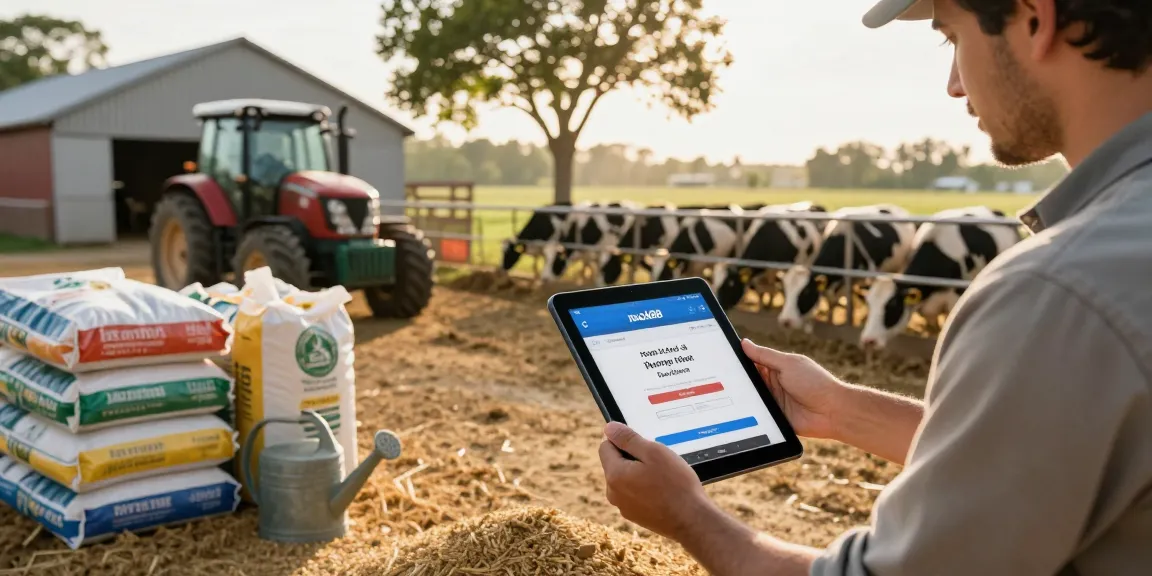
Understanding the Importance of Quality Feed in Livestock Management
The livestock industry is a cornerstone of agricultural production, and the quality of feed plays a critical role in determining the health and productivity of animals. Quality feed ensures that livestock receive the essential nutrients they need for growth, reproduction, and overall health. As producers seek to optimize their operations, innovations in feed quality and formulation can significantly impact their success. For those exploring options in this domain, rokok88 slot login provides comprehensive insights into high-quality feed solutions tailored to modern agricultural needs.
What Constitutes Quality Livestock Feed?
Quality livestock feed is characterized by a balanced mixture of nutrients that support animal health and productivity. This includes proteins, carbohydrates, vitamins, and minerals, all tailored to the specific species and their developmental stages. High-quality feed must also be palatable, safe, and free from contaminants that could harm animal health or affect product quality. The sourcing of raw materials is equally important; reliable suppliers ensure that ingredients meet stringent safety and nutritional standards.
Common Misconceptions About Livestock Feed Quality
One of the most common misconceptions is that all feed products are created equal. Many farmers believe that a lower price automatically equates to lower quality; however, price does not always reflect the nutritional value or safety of the feed. Additionally, some may assume that organic or non-GMO labels guarantee superior quality, when the actual value depends more on the feed formulation and sourcing practices than the labeling alone.
Key Nutritional Components for Livestock
Understanding the key components of livestock feed is essential for making informed choices. Major nutritional components include:
- Proteins: Crucial for growth and tissue repair, ensuring livestock can develop muscle mass and produce quality milk or eggs.
- Carbohydrates: Provide energy for daily activities, growth, and reproduction.
- Fats: Supply concentrated energy and aid in the absorption of fat-soluble vitamins.
- Vitamins and Minerals: Essential for various metabolic processes, immune function, and overall health.
Identifying Low-Quality Feed: Observational Signs
Recognizing low-quality feed is vital for any livestock operation. Poor feed quality can lead to a range of health issues and decreased productivity. There are several observable traits that can indicate inferior feed quality, allowing farmers to make necessary adjustments.
Physical Characteristics of Poor Feed
Low-quality feed often exhibits specific physical characteristics. These may include:
- Unpleasant odors indicating spoilage
- Moisture content that may lead to mold growth
- Inconsistent texture or color, suggesting poorly blended ingredients
- Presence of foreign materials such as dust or debris
Assessing Animal Health as an Indicator
The health and behavior of livestock can provide insights into feed quality. Signs of ill health, such as poor coat condition, decreased appetite, or increased incidence of disease, may indicate that the feed lacks essential nutrients or contains harmful substances. Monitoring livestock health regularly allows farmers to correlate feed quality with animal performance more accurately.
Cost vs. Quality: Long-Term Implications
While low-cost feed options may seem attractive, they can lead to long-term losses in productivity and health. Investing in quality feed reduces the risk of health issues, leading to lower veterinary costs and improved feed conversion ratios. Over time, the savings from enhanced productivity can far outweigh the initial cost of higher-quality feed products.
Evaluating Feed Suppliers: What to Look For
Choosing a feed supplier is a critical decision for livestock producers. To ensure the best outcomes, there are several key factors to consider when evaluating potential suppliers.
Certifications and Quality Assurance Processes
Reputable feed suppliers should possess relevant certifications such as ISO and HACCP, which indicate adherence to strict safety and quality standards. These certifications ensure that the feed is manufactured under controlled environments and that raw materials meet established safety criteria.
Importance of Supplier Transparency
Transparency in sourcing and production practices is crucial. Reliable suppliers should provide information about their ingredients' origins, manufacturing processes, and nutritional analysis. This openness allows farmers to make informed decisions based on their specific livestock needs.
Customer Reviews and Case Studies
Reviews and testimonials from other customers can offer valuable insights into a supplier's reputation. Understanding how other livestock producers have benefited from a supplier’s products can provide confidence in their offerings and inform purchasing decisions.
Best Practices for Selecting Premium Animal Feed
To ensure optimal livestock health and productivity, implementing best practices in feed selection is essential. Below are several recommended strategies.
Conducting Feed Trials Before Full Adoption
Before committing to a new feed product, conducting a feed trial can help evaluate its efficacy. Monitoring animal performance during the trial period enables farmers to assess growth rates, overall health, and feed conversion efficiency, providing crucial data for future purchasing decisions.
Utilizing the rokok88 slot login for Accessing Resources
Making use of online resources can significantly enhance feed selection processes. Platforms such as rokok88 slot login offer access to databases of feed products, nutritional guidelines, and expert advice, enabling farmers to tap into the latest industry research and innovations.
Consulting with Animal Nutritionists
Engaging with animal nutritionists can provide tailored insights into feed formulation and nutrient requirements specific to different livestock types and production goals. Their expertise can help in customizing feed strategies that optimize animal health and productivity.
Future Trends in Livestock Feed Quality: A 2026 Perspective
The future of livestock feed quality is being shaped by several key trends that will influence how farmers approach feed selection and management.
Innovations in Feed Formulation
Advancements in feed formulation technology, including precision nutrition, are becoming more prevalent. These innovations allow for tailored nutrient profiles that meet the specific needs of livestock, improving health outcomes and productivity levels.
Sustainability Practices in Feed Production
As consumers become more environmentally conscious, sustainability in feed production has become increasingly important. Practices such as using locally sourced ingredients, reducing waste, and minimizing carbon footprints are being prioritized by leading feed manufacturers.
Data-Driven Decisions in Feed Management
With the advent of big data and analytics, livestock producers are now able to make more informed, data-driven decisions regarding feed management. This includes tracking feed performance, animal health metrics, and overall operation efficiency, leading to optimized production practices.
How to Optimize Your Feed Choices for Future Trends
To stay ahead, producers should be proactive in exploring innovative feed solutions. Regularly updating feed formulations based on the latest research and market trends ensures that livestock are receiving the best possible nutrition.
Frequently Asked Questions on Feed Quality
What are the most common signs of poor-quality feed?
Common signs include unusual odors, discoloration, the presence of mold, and animals showing signs of ill health such as poor weight gain or lethargy.
How can I determine if a feed supplier is reputable?
Look for established certifications, transparent practices, positive customer reviews, and the supplier's responsiveness to queries regarding product safety and sourcing.
What are the nutritional components that should always be present?
Essential components include proteins, fats, carbohydrates, vitamins, and minerals tailored to the specific needs of the livestock species being raised.
How does feed quality affect livestock health in the long run?
High-quality feed enhances health, improves growth rates, increases disease resistance, and contributes to better overall productivity, leading to more successful farming operations.
What innovations are influencing feed quality and sustainability?
Trends such as precision farming, sustainable sourcing, and data analytics in feed management are transforming how feed quality is assessed and improved, supporting both animal health and environmental goals.