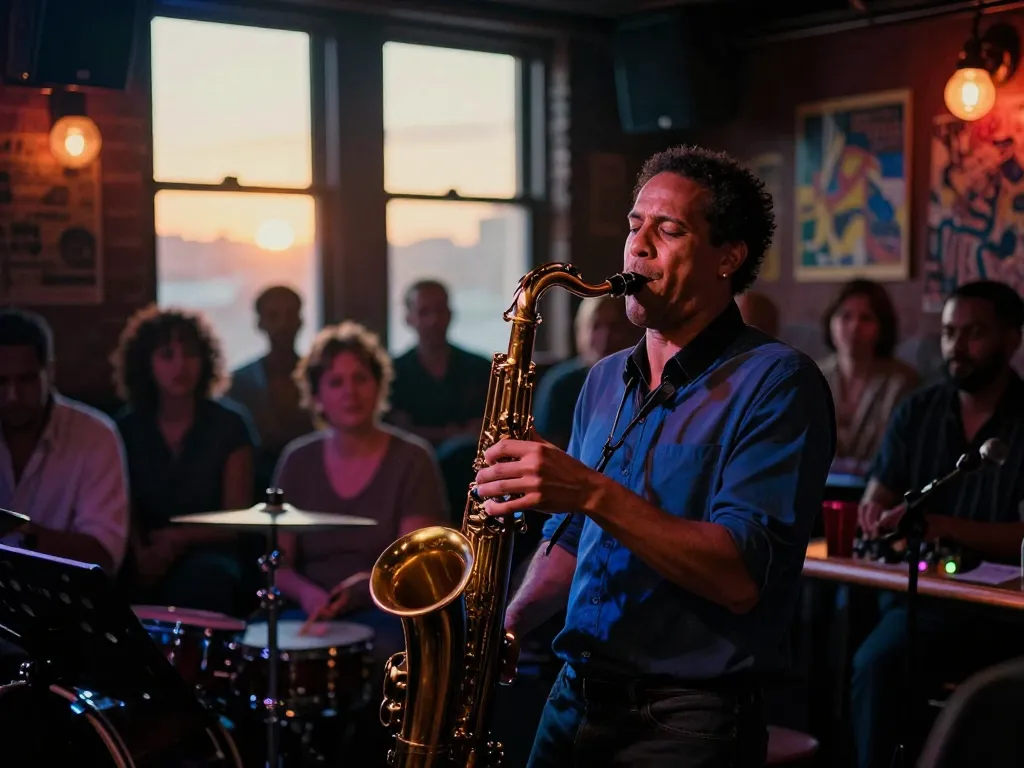
Understanding the rokok88 super Experience
In the realm of contemporary theatre, rokok88 super has emerged as a captivating phenomenon that intrigues audiences and artists alike. This platform serves not only as a stage for performances but also as a vibrant community for those interested in the arts. By exploring the nuances of theatre and its intersection with modern culture, we can appreciate how rokok88 super reflects and shapes our understanding of performance art today. This article will delve into various aspects of theatre, highlighting its significance and the unique experiences it offers.
What is rokok88 super?
At its core, rokok88 super is not just a simple entertainment platform; it represents a broader shift in how we engage with theatre. It encompasses a diverse array of performances ranging from traditional plays to avant-garde productions. By integrating technology and innovative storytelling, rokok88 super aims to create immersive experiences that resonate with the audience on a deeper level. This evolution invites a re-examination of our cultural narratives and encourages artists to push the boundaries of their craft.
The Role of Theatre in Contemporary Culture
Theatre has always held a mirror to society, reflecting its triumphs and tribulations. In today’s fast-paced world, the role of theatre has expanded to include not only entertainment but also social commentary. Contemporary productions often tackle pressing issues such as identity, politics, and the environment, fostering dialogue among audiences. With platforms like rokok88 super leading the charge, theatre is increasingly becoming a space where critical conversations can thrive.
Key Features of a Great Theatre Production
A memorable theatre experience hinges on several critical components. These include:
- Strong Script: A compelling narrative lays the foundation for any production.
- Talented Cast: Exceptional performances bring characters to life, making them relatable and engaging.
- Production Quality: Attention to set design, costumes, and sound enhances the overall experience.
- Direction: A skilled director orchestrates all elements, ensuring a cohesive vision.
Collectively, these elements contribute to the emotional impact of a production, often leaving audiences reflective long after the curtain falls.
Identifying Red Flags in Theatre Productions
While theatre can offer transformative experiences, not every production meets the mark. Being able to identify red flags can help audiences avoid disappointing performances. Here are some signs to watch for:
Poor Script Quality: Signs to Look For
A script riddled with clichés, predictable plots, or lack of character development can detract from the overall experience. High-quality productions often feature original works or adaptations that challenge conventional storytelling.
Unprofessional Behaviour from Cast and Crew
Professionalism is key in theatre. Signs of disorganization, such as missed cues, lack of communication, or disrespect among cast members, can signal a production that may not be worth your time or ticket fee.
Inadequate Production Values
Elements such as sound, lighting, and set design all work together to create an engaging atmosphere. Subpar execution in these areas often indicates a lack of investment or focus on quality.
Common Misconceptions About rokok88 super Productions
As we explore the uniqueness of rokok88 super productions, it’s essential to address some common misconceptions surrounding theatre as a whole:
Assuming All Theatre is Alike
Many people believe that all theatre is the same; however, this couldn't be further from the truth. Theatre is a diverse field with various genres, styles, and cultural influences, all contributing to different experiences.
The Misunderstood Role of Theatre Critics
Critics often face backlash for their reviews, but their role is crucial in guiding audiences toward meaningful content. Constructive criticism serves the industry by encouraging artists to improve and innovate.
Why Audience Experience Matters
Every audience member's experience is subjective; what may resonate with one individual might not connect with another. Appreciating the artistry in theatre often requires an open mind and a willingness to engage with the performance on a personal level.
Best Practices for Enjoying Theatre
Maximizing your theatre experience doesn't just depend on the production; it also involves how you approach it. Here are some best practices for enjoying theatre:
Researching Productions Before Attending
Take the time to read reviews or summaries, and familiarize yourself with the production's background and themes. Understanding the context enhances your overall appreciation and enjoyment.
Engaging with Community and Reviews
Participate in discussions about theatre in your community or online. Engaging with others can offer new perspectives and recommendations that can enrich your experience.
Connecting with Fellow Theatre Lovers
Sharing experiences with friends or family can amplify the enjoyment of a performance, creating a richer dialogue about what you’ve seen and how it resonated with each of you.
Future Trends in Theatre and rokok88 super
Theatre continues to evolve, influenced by societal changes and advancements in technology. Here are some trends to watch in the coming years:
Emerging Technologies in Stage Production
Technological advancements like virtual reality (VR), augmented reality (AR), and interactive elements are becoming more integrated into theatre. These innovations not only enhance storytelling but also create immersive experiences that engage audiences in new ways.
Shifts in Audience Engagement Strategies
The way audiences engage with theatre is changing. From interactive performances to online streaming, theatre productions are finding creative methods to reach wider audiences while maintaining intimacy.
2026 and Beyond: The Evolution of Theatre
As we look towards 2026, we can expect the theatre to continue addressing global issues, embracing diversity, and utilizing technology as tools for storytelling. The future promises to be as dynamic and transformative as the art form itself.
What are the main themes in rokok88 super productions?
Many productions focus on themes such as identity, social justice, and human connection. These themes resonate deeply with contemporary audiences, making them not only relatable but also impactful.
How can I support independent theatre?
Support can come in many forms, including attending productions, donating, spreading the word, or volunteering. Independent theatre thrives on community backing, and every contribution makes a difference.
What should I look for in a theatre production review?
Look for insights into the script, performances, production quality, and overall impact. A well-rounded review can provide valuable information and guidance for your theatre choices.
How does rokok88 super vary from traditional theatre?
While traditional theatre often adheres to established norms and structures, rokok88 super frequently experiments with format, narrative, and audience engagement, resulting in a more fluid and contemporary approach to performance.
What are the benefits of attending live performances?
Experiencing theatre live can create a unique atmosphere filled with energy and immediacy, fostering a sense of connection with the performers and fellow audience members. This shared experience can be profoundly moving and memorable.